Posted on Leave a comment

Stories of the New Summer Flowers

How is it that something so bright and colorful can bring a sense of calm? I admire the tiny florets that combine to form the grand hydrangea and the tumbling clematis vining up the fence. They are at once complex yet simple.

As the cool spring has moved to toasty summer, the buds have grown to ornate blossoms. The sun kisses them, and they grow larger while their color brightens and deepens. When these flower friends greet me each day, they lift my spirit and bring me peace and joy.

Flowers appear simple, yet they are the lynchpin in a complicated food web. For example, as I write these words, two dainty hummingbirds and a rotund bumblebee dart from flower to flower on the honeysuckle vine right outside my door. Flowers truly are the insect and bird world’s kitchen, or should I say dinner plate.

Clematis

For years, I’ve had a whimsical clematis vine climbing my fence. Its delicate tendrils curl around the wrought iron with deep purple flowers poking out here and there. Politely reaching up and out, it slowly expands its reach every year. I try to tell it, “grow faster, grow higher, my beautiful vine. You can never be too much for me.” But it takes its sweet time, growing little by little as the years unwind.

Blossoms envelop my clematis vine for many weeks throughout midsummer. I find myself dreaming up new spots where I could place a trellis and tuck in another variety.

With all its colors and variations, clematis is a vine that the gardening world has been collectively enamored with for centuries. Hailing originally from Asia, it was brought to Europe in the early 1800s and finally made its way to the New World. It is regarded by many as the Queen of Vines, and that it is, possessing both grace and beauty.

Hydrangea

For myriad reasons, I recommend planting hydrangeas more than any other bush. They are like that person in your life who’s practically perfect in every way. Not only are the flowers beautiful, but their bloom times extend for months, from early summer through to the next year when you finally prune them. Additionally, they get more beautiful as they age, often going from ivory or pale green to pink or even deep rose as autumn progresses.

Many plants, trees, and bushes are suited to particular climates, called hardiness zones. Being in a northern climate, there are several southern plants for which I have intense zone envy. Some include the more ornate hydrangea varieties, like the lacecap and mountain hydrangea.

These jewel-toned beauties have graced southern gardens for eons. However, thanks to our busy scientists, more of these colorful varieties are becoming available in the northern zones.

Dahlia

If you’re looking for just one very good reason to live in a southern hardiness zone, it’s the ability to grow dahlias as a perennial. These plants sport massive pom pom-like blooms that can stand several feet tall. Humans have fawned over dahlias for centuries, and for good reason.

The flowers come in every color of the rainbow (except blue and black). They can be a dainty two inches in diameter or a massive 10 inches across. Hailing from Central America, dahlias are the national flower of Mexico.

While I can’t quite imagine digging up this beauty just so I could sauté its root, it was originally classified as a vegetable thanks to its edible, mocha-tasting tuber. I guess the powers that be agreed with me because it was eventually reclassified as a flower. One of its most favored qualities is its late summer bloom time. Right when other flowers are starting to fade, dahlias are going strong, and they continue right up until the frost.

Lavender

As I breathe in the deep purple color and the intoxicating aroma of my newly gathered lavender bouquet, my worries melt away. On gray and rainy days, I often light a lavender-scented votive candle and let the fragrance waft throughout the house, creating a warm, cozy mood.

My love for lavender runs deep, and the scent elicits a deep emotional response in me. I can’t get enough of it. Whether it is in a sachet in my woolens, in the dish soap by my sink, or in a vase on the counter, it’s the one flower I come back to when I’m looking for something special. Maybe it allures me because my northern clime prevents me from growing vast purple fields. Lavender’s relative scarcity up here makes it that much more special.

I suppose until the day I can own a lavender farm, I’ll resign myself to filling my house with lavender-scented tea, lavender candles, lavender soaps, lavender honey, lavender lotion, and lavender water for ironing…Is there ever too much?

The New Summer Flower Art Collection

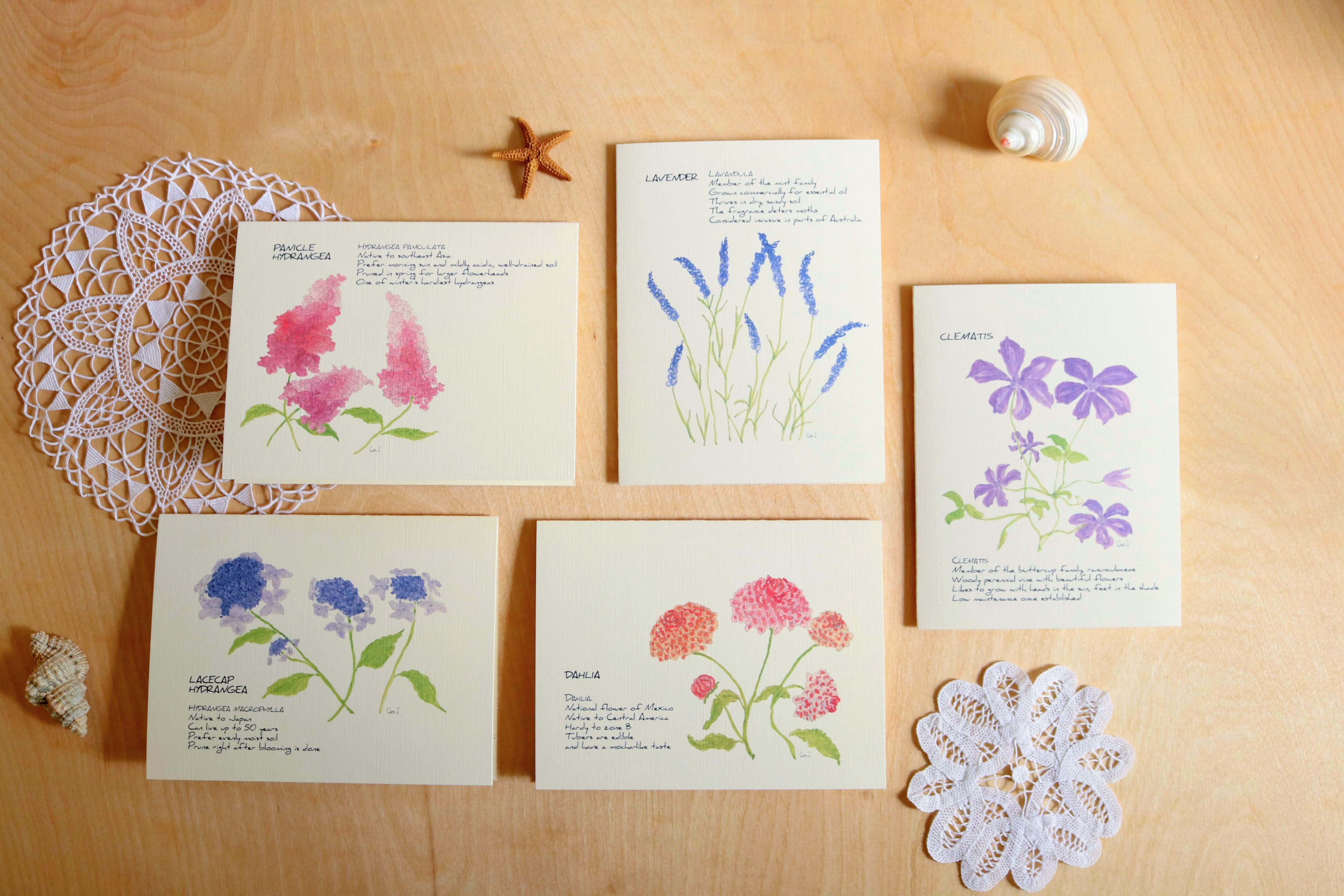
Now that you see the inspiration behind all of these incredible flowers, you can see why I had to paint them. We really can never have too many flower designs to choose from so here are five more: clematis, lacecap hydrangea, panicle hydrangea, dahlia, and lavender. I hope you enjoy these new designs as much as I enjoyed painting them.

And whenever you sit down to write a note in one of these cards, no matter the time of year, I hope it takes you back to those carefree summer days of sipping iced tea in the garden while the hummingbirds dance all around you.

Posted on Leave a comment

Cooking with a Hint of Sweetness: Gourmet Fruit Art Collection

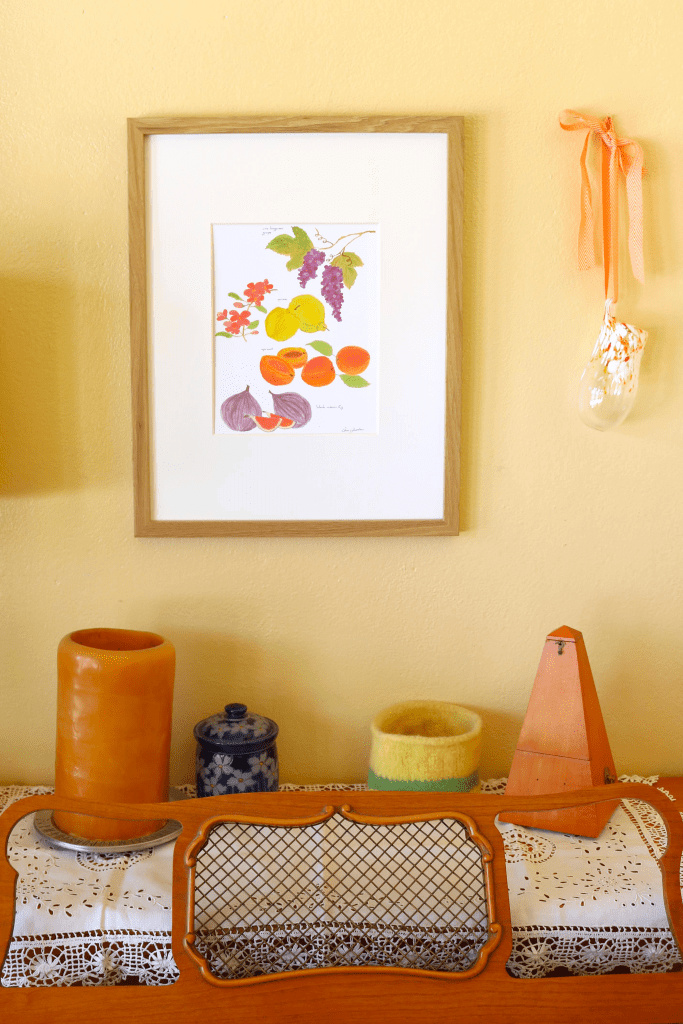
Figs, apricots, quince, persimmons, and grapes; these gourmet fruit varieties stem from such unique lineages but possess similar captivating applications in the kitchen.

These are a collection of gourmet fruit ingredients I use time and again in entertaining because they transform the level of a dish. Their panache is unparalleled. I use them in appetizers as a sweet counter to savory meats and cheeses. They’re delightful as a part of the main course in braises, tagines, or roasts.

Then finally, they act as a sweet capstone in tarts, galettes, cakes, or toppings. These fruits have the power to change whatever you are serving from ordinary to special. They lend an earthy classiness to your meal.

Apricot

When I was a little girl, my mom would regularly make apricot jam. I grew to adore this jam on a piece of freshly toasted English muffin. I still taste the apricot flavor in my memories. Now, as an adult, I return to apricots as often as I can. They often find their way into braises, such as a chicken, white wine, and wild mushroom braise atop potatoes or rice. Apricots perfectly balance the savory hues and help create well-developed sauce. 

Quince

Likewise, quinces have played a role in my culinary journey. I was first introduced to this fruit when I lived in the French province of Alsace. The mild climate of eastern France is perfect for quince trees to thrive. Harvested in the late fall, they turn into pastes and butters, and they’re baked into cakes, tarts, and galettes. Quince also adds a refreshing sweetness when sliced and roasted with lamb in a tagine. 

As an added bonus, if you happen to live where quince trees grow, you get the privilege of enjoying their spring blossoms, which are the most electric color of pink coral possible. I swoon at the far-fetched idea of having a quince tree in my yard.

Fig

Figs seem like an almost mystical fruit to me. I’m always experimenting with interesting ways to use them. My most recent find was a recipe in Dorie Greenspan’s Around My French Table cookbook: 

I take fresh, homemade pasta (trust me, it’s worth it to make the pasta for this recipe from scratch), and toss it with browned butter, figs, and pistachios, among other things. What stands out to me in this recipe is the crunchy je ne sais quoi nature of those tiny fig seeds. It’s worth buying the cookbook just for this recipe! 

As with quinces and apricots, making a fig paste, or a very concentrated jam, to serve with cheeses and meats proves a sweet counter to the more savory hors d’oeuvres items. These intensely flavored fig pastes are also amazing with a slice of buttery pound cake, in the filling of a crepe along with some Brie, or melted into a marinade for grilled meat; the list could go on and on. Pretty soon I’ll be putting it on my toast. Wait a minute, that’s actually a great idea…

Persimmon

Persimmons meet and exceed the same thresholds as the other fruits in this collection. They can have both sweet and savory applications. When included in your menu, they elevate the playing field. The color and shape of persimmons are almost cartoonist. They make me smile. As with many fruits, the wild ones have the most interesting flavor. When cooked into pudding and butters, persimmons’ bright flavor adds a complicated sweetness that’s hard to pin down but delightful to the palate.

Red Grape

I have left my oldest friend for last, the red grape. For most of us, grapes have woven their way in and out of our menus our whole lives. They’re an easy and nutritious fruit that your mom packed in your lunchbox during elementary school. For me grapes showed up in their wild form first. Wild grapes grow all over Minnesota. They spread by the birds, so they can be found along many public fencelines or climbing up poles or trees. These aren’t the sweet grapes from the grocery store. Rather they are tiny explosions of richness in your mouth. They really shine when made into jam, juices, or pastes, which I grew up eating. The best grocery store jam pales in comparison. 

Moving into adulthood, the first savory use for grapes was a chicken salad recipe from Lukins and Rosso’s original Silver Palate cookbook. Here red grapes serve as a delightful surprise up against the slivers of chicken, celery, and onion. A chicken, grape, and white wine braise over curried rice was my next iteration.

The grape I chose to paint for this newest collection caught my fancy because of its charming story. A vine was discovered winding its way up and around an old oak tree on Longanesi’s property in the Emilia Romagna region of Italy. They took cuttings and planted them in their vineyard. The grapes grew and thrived, and today roughly 500 acres of this grape variety is grown. Many Uva Longanesi varietal wines are now made from this grape.   

The Gourmet Fruit Art Collection

I painted the gourmet fruit varieties in this culinary art series because each lies close to my heart with its connection to great cooking. They are delicious in countless meals, and with them you can create complexly flavored food year round.

This art collection honors just a few of the sweet and beautiful ingredients in our repertoire. It’s my wish that you enjoy these fruits on greeting cards and fine art prints as much as you would enjoy them in your cooking. 

Posted on Leave a comment

The Story Behind the Mountain Wildflower Collection

Wildflowers of My Life

Mountain wildflowers have been part of the formative memories in my life. Not only did they proliferate on the dry mountainside of our Colorado home, but they have been ubiquitous on our mountain hikes and backpacking trips. Whether it was Montana, Wyoming, Colorado, or New Mexico, the native flowers that have been a part of my life are both tenacious and beautiful.

The Blue Hue of Lupines

Wild lupines transport me back to Montana, when in the early summer, cerulean violet lupine flowers begin to cover the mountain valleys. They form a luscious carpet. The meadows surrounding my family’s cabins take on a blue hue as all these iconic flowers come into bloom. 

Many years ago, my dear aunt Joyce even named her cabin after them, Lupine Lodge. When I think back on lupines, I remember all the summers spent in Montana from the time I was a young girl to now. 

The Bitter Chokecherries of My Youth

It is somewhat of an oxymoron to pick a fruit as bitter and poisonous as the chokecherry only to cook it into something as delectable as chokecherry jam.

I first encountered chokecherries in the days of my foolish youth, when my parents, siblings, and I would stop along the road and pick the Montana berries. We would fill ice cream buckets and then haul them back to the log cabin nestled in the backwoods of the Absaroka Beartooth mountain range. There we would begin the long process of transforming these bitter berries into luscious jams and syrups. 

Backpacking with Thimbleberries 

Likewise, thimbleberries have been part of many a mountain hike. The day typically goes like this: we’re walking along the trail, maybe having just crossed a hot sunny rockslide. We progress into a shaded area, and there’s a small mountain stream that runs next to the path. 

Billowing among the undergrowth are thimbleberry bushes. Of course, we stop, nibble on some for a few minutes, take a big swig of water from our bottles, then start moving again. This scenario could repeat itself over and over depending on how much of a hurry we’re in. 

Thimbleberries to me represent a refreshing pause for a fatigued body. They are a fresh respite to a hot day and a touch of nourishment to our increasingly hungry stomachs. 

Beauty on the Edge of a Mountain

Our house sat just back from the edge of the steep Rocky Mountain foothills of Colorado. The hills were stony with clusters of scrub oak and prairie grasses. Cacti poked their thorny faces out from the rocky soil, just asking you to step on them. 

As I made my way down to the valley below, I couldn’t help but marvel at how so many varieties of wildflowers seemingly thrived in such harsh and adverse conditions. The soil was very poor, and the hillside faced southwest, so it got a beating from the afternoon sun. What moisture did come either evaporated off or ran down the incline. 

Indian Paintbrush

In this unwelcoming xeriscape, wildflowers dotted the hillside, cheerfully beaming their colorful faces. Darling little burgundy Mexican hats, Indian paintbrush, ruby colored penstemon, yellow potentilla, and rudbeckia scattered across the dry slope. 

These wild beauties have adapted to the conditions of their environment. Many of them have long roots that drill down to the moisture and nutrients that are deep below the surface. Indian paintbrush thrive despite the conditions. Being a hemiparasite, this flower piggybacks off the surrounding grasses. They attach themselves to the roots of nearby grasses, which are already burrowed deep in the soil.  

A Flower’s Inspiration 

Is the Indian paintbrush’s stamina and unexpected beauty a metaphor for life? When one fights hard for something, the result becomes particularly striking. Over time, these flowers have figured out not only how to grow, but they’ve learned how to flourish in adverse situations. In fact, for these flowers, their environment isn’t adverse; it’s the norm.

Joy from Wildflowers and Berries

I find wildflowers to be inspiring. When I am huffing and puffing up a mountainside, I look over the steep slopes or high mountain meadows, and I see spectacular beauty in the wildest environments. How can I not breathe easier in their delicate elegance? 

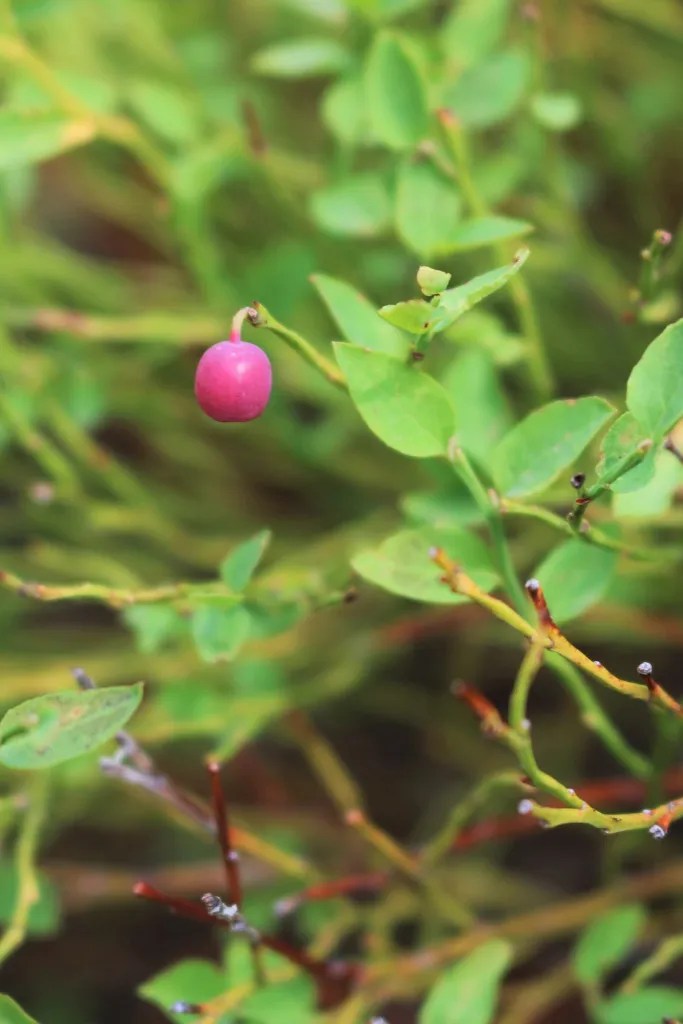
My eyes light up when I see wildflowers in bloom against the stark and vast background they call home. Then the wild berries come as a rare gift in the wilderness when tasted on the edge of a remote trail.

As I sit here, painting within the bleak January landscape, I wait for next summer. I hope my family’s trips into the mountains coincide with the bloom times of our favorite flowers or the ripening of our favorite mountain fruits. 

Until then I draw them, and I paint them, and I offer them for you to enjoy on art prints and cards as well. This is so you can dream along with me. We can wait together for warmer days, for summer mountain wildflowers, for buckets full of chokecherries, for bushes alongside high mountain trails that offer up what little they have so that the fleeting visitor might be refreshed.