Posted on 2 Comments

Garden Planning to Soothe the Soul

Spring Planting

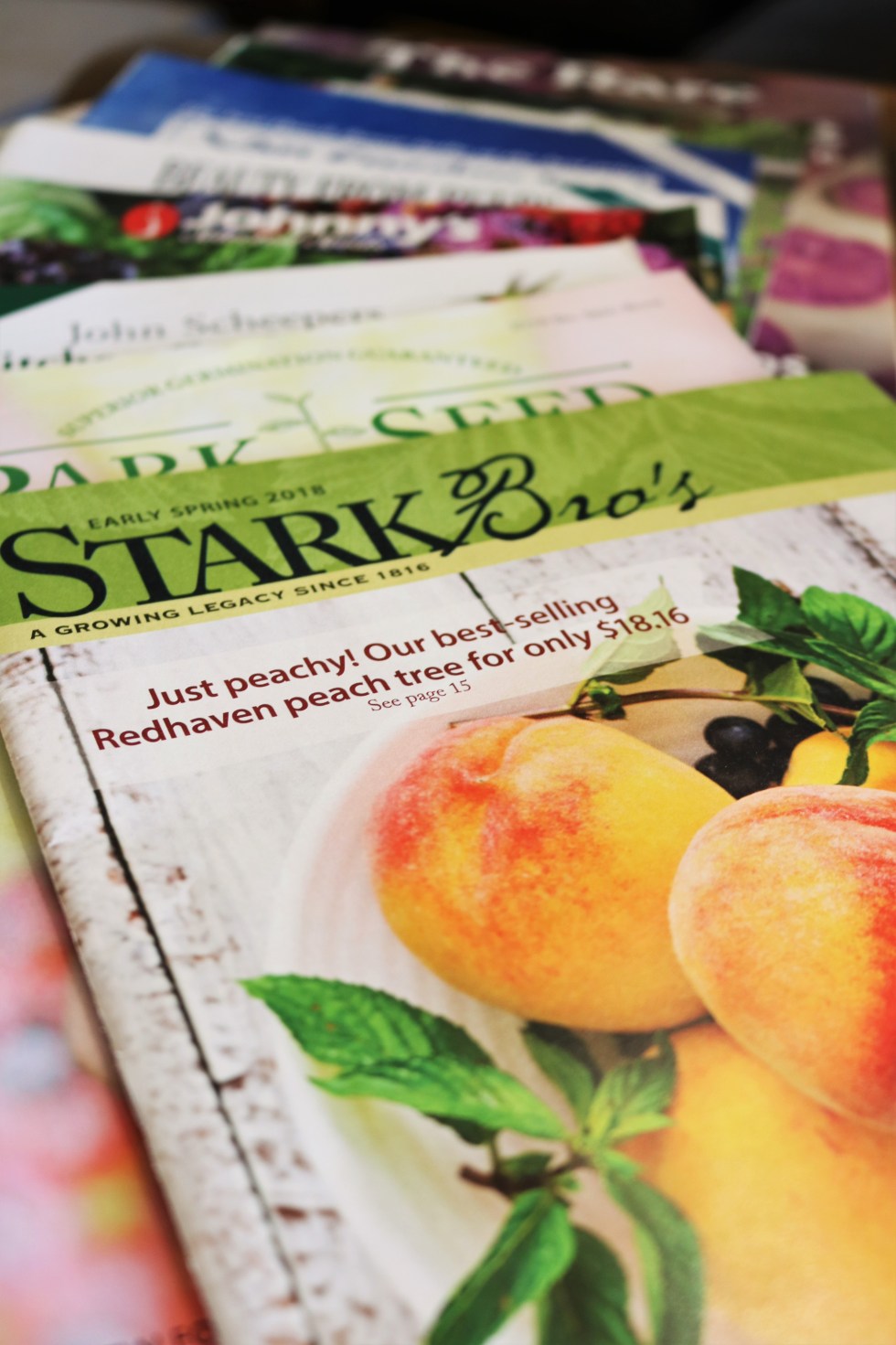
Seed catalogs litter my couch. I keep pouring over the pages of flowers and vegetables. I have garden tabs open across the top of my computer screen, and I have been driving through town, stopping by garden shops. Amid all this planning, the plants are pulling me in, whispering, “I am beautiful. I am delicious. Buy me. Plant me.”

Planting time is approaching. The days are longer and warmer. We have been cooped up, self-isolating, and our reaction to this seclusion is to get outside. In the face of sickness, we have an inner voice inspiring us to self-improve and do what we can within ourselves to combat the enemy that is consuming our world.

IMG_2406 (2)

We have this urge to grow plants for eating. We want to surround ourselves with beauty, living greenery, and flowers. The desire to eat healthy foods enthralls us. We are exercising more than ever. It seems more important than ever that we plant our gardens. For our soundness of mind, we need to sink our hands in the dirt and bury seeds that soon will produce vegetal plenty.

Finding Garden Plants

Now, where to go to procure these seeds and plants? As local businesses are struggling, it seems more important now than ever to support them. I choose to buy my garden supplies from those I value and rely on during normal gardening seasons. I carefully tuck away the catalogs, turn off the computer, and buy from the shops in my community.

Whether it’s calling on the phone, ordering by computer, or, mask in hand, actually visiting these shops, seeds and plants will come home with me. The plants that fill my garden this year and the flowers that will spill out of my planters will mean more than ever.

IMG_7065 (2)

Planning the Garden

First, I start with a plan. What should I plant first? Second? In a few weeks? My garden map is sketched, pencil on graph paper. I need to place the nightshade plants in a new spot this year. Maybe where the basil was last year.

IMG_3425 (2)

I tend to go a little crazy on tomato plants. My resolution for 2020 is to control myself and carefully choose my favorite varieties. A few heirlooms, some Romas for pasta sauce, a couple sweet cherries, a couple dependable heavy producers, and most importantly, some new interesting colors and shapes. These are going to take too much room. I erase and rearrange the vegetables on my map, trying to squeeze in my indulgences. So many indulgences, so little space… There are simply too many have-to-have tomatoes.

Planning a Timeline

The cool weather vegetables need to go into the ground. Kale, arugula, sweet peas, radishes, lettuces, onions, leeks, carrots, beets, radicchio, Swiss chard.

My attention now turns to planning what I will plant in late May. It is important to purchase them now, as these unusual varieties tend to sell out. Plants include tomatoes, eggplant, peppers, and cold-sensitive herbs and flowers. After bringing them home, they can harden in my yard for a while before they get planted.

IMG_9795 (2)

Lastly are the vegetables that cannot get planted until the ground is very warm: beans, cucumbers, and squash. I buy the seeds but will hold off planting until early June.

IMG_2820 (2)

With my plan forming, I can already smell the intoxicating scents of the garden. Tall dill that I allow to self seed everywhere (My small contribution to the black swallowtail butterfly). The delicate white cilantro flowers. Marigolds and nasturtium. The distinctive aroma of a just pruned tomato plant. Green fingertips. The yellow finches flitting from coleus to coleus, eating their seeds. This planning process elicits a visceral reaction. This garden is already worming its way into my soul.

The Hope of Spring

While on a walk, I hear the robins chirp as they busily go about building their nests. The squirrels race from tree to tree, busy with who knows what. The buds on the magnolia trees are just appearing, ivory cashmere petals emerging from pale green, velvety calyx.

The cool spring air. I breathe in deeply. Thankful. The soft new grass seems so green. Rhubarb and strawberry leaves push up through the soft, damp earth. The roses and clematis don’t realize there’s a deadly virus afoot. The plum and cherry trees are blithely budding. Nature is seemingly unaware of our current crisis.

This new birth is calming and reassuring. Heading to the garden, trowel and seed packets in hand, I settle in to dig, plant, and water, waiting for the future, waiting for new life to emerge.

Posted on 2 Comments

How to Make a Braise: Basic Comfort Food

The day is cloudy and grey. Our country’s spirits reflect the weather outside. We have been asked as a society to stay home, to limit our tasks to those that are essential. To take care of those around us. To take care of ourselves.

As I consider what those essential tasks actually are at the moment, cooking and eating delicious, simple, healthy meals seems to be a priority. With everything on our minds, simplicity is the theme of the day. The need for inexpensive meals is also looming in the shadows.

The challenge for us is to stock our pantries with a combination of perishable and nonperishable ingredients that when combined in the right way will be delicious and good for us.

When I think about easy foods that are filled with healthy ingredients, I think of soups and braises. They both can have protein, usually in the form of meat, and several vegetables and fruits. The principles involved in their creation are similar.

IMG_6651 (2)
A beef, mushroom, and carrot braise over boiled potatoes

The Braise

For the purpose of this discussion, let’s talk about how to create the basic braise. This is an all-around dinner option that is very flexible regarding which ingredients are included as well as what they are served with. It is defined as a method of cooking food in a closed vessel with very little liquid at a low temperature and for a long time. Typically, the finished product is then served over a starch such as potatoes, pasta, or rice.

Beginning the Process

Only a handful of ingredients go into creating flavor in this dish. The first is the meat. I prefer using tough, inexpensive, less than ideal cuts. Surprisingly, these cuts, when cooked low and slow, become fall-apart tender, all the while creating a rich savory sauce. Cut the meat in two-bite chunks, saute with oil in a heavy-bottomed pot until the pieces are the color of dark caramel. The bottom of your pot will now be turning a medium brown color. This is good. This crust (or fond, as it is called in the culinary world) will help provide the flavor in the final dish.

IMG_6582 (2)
In the process of turning the beef. Notice the browned sides on the right half of the image and the fond developing on the bottom of the pot.

Once the meat is nicely brown on all sides remove it from the pan and set aside for a few minutes. Add vegetables such as onions, celery, carrots, and garlic to the hot pan. You may need to add a little more oil at this point. Check the heat to make sure it’s medium to medium-low. You don’t want the fond to go from brown to black. Saute these vegetables until light brown. If you are adding spices (often called aromatics) to the dish, stir them in at this point. It adds flavor to have them cook for a minute or two before adding liquid.

IMG_6594 (2)
This is the color you are aiming for when you are finished sauteing the meat. Notice the spacing between pieces of meat and the dark fond on the base of the pot. Now I remove the meat and saute the vegetables.

Deglazing

This brings us to the next step in the process. That is the deglazing of this fond. Here we use the second category of ingredients. These deglazing agents usually have an acidic nature to them. Some of my favorites include broth, wine, tomato juice, vinegar, water, sherry or port.

Add your chosen deglazing liquid now. Let it cook for a couple minutes before stirring. This way the fond can soften and start to dissolve before you pull it off the bottom of the pan with your spoon. Once it has softened for a minute, stir and gently scrape the bits off the bottom surface.

Now put the meat back into the pot. Add more liquid (this can be any of your deglazing ingredients except maybe vinegar) and any other vegetables or fruits that you are using in your dish. For this braise specifically, I ended up using a combination of port, tomato sauce, concentrated beef stock, and water. I don’t cover the mixture with liquid but rather have about one-third to one-half of the meat and vegetables showing on top.

Into the Oven

Cook on the stove top until the mixture reaches a simmer, and then cover the pot and put it into your oven at a low temperature. The ideal braising temperatures range between 275 and 325 degrees F. I tend to choose on the low end of this range and bake the dish for a longer time frame. Typical braising time in the oven ranges from one to three hours. For bigger or tougher pieces of meat, allow for a longer bake time. You’ll know the meat is ready when it falls apart easily when you handle it.

When it has baked to your satisfaction, pull it from the oven, and add salt and pepper to taste. If you have used a higher fat meat, the rendered fat will float to the surface during cooking. Skim this off using a large wide spoon. It is now ready to serve, either alone or with your favorite accompaniments.

The Braise Menagerie

Versatility certainly defines a braise. Because of the ability to choose between many types of meat, vegetables, deglazing agents, fruits and accompanying agents, it enables you to make it even with a limited pantry. Do you have small amounts of this or that ingredient? Put it in the braise. For example, do you have dried plums, an onion, a lemon, and a couple of chicken thighs? You can make a braise out of these. How about a lonely piece of beef in your freezer, a can of mushrooms, and some onion and garlic? You can make a braise. Search through your cupboards for your most flavorful deglazing options. Do the same with your spices.

As you look through your kitchen, do you discover something that would be a tasty addition? Maybe something you need to use up? I did. In the bottom of my vegetable drawer were some gorgeous carrots that I had picked up last week. They were chunked up and added to the pot right before it went into the oven. In the end they were a sweet and colorful addition.

Final Braising Tips

A simple creation. A frugal fare cobbled together from the stores in your kitchen, delivered to your dining room table with grace and confidence. You will be amazed with yourself. You can create something very delicious from almost nothing at all. Just remember the key steps to create flavor.

Let the fond develop on the bottom of the pot by not overcrowding the pot when sauteing the meat. Cook it on medium heat, and stir occasionally to sear on all sides. Use the most flavorful spices and deglazing ingredients you have on hand, and bake the whole menagerie low and slow. Tuck into this delectable dinner with the confidence that this simple and economical dish is the healthy comfort food you’ve been craving. Eat well, be well.

IMG_6681 (2)

At this time of crisis in our world, in lieu of offering classes, I would like to extend the invitation for anyone that has questions regarding cooking, creating meals from your pantry, planning and planting a garden for this summer or needs any advice on keeping you and your family healthy through cooking and gardening, please reach out to me via email. I am here to help you and answer any questions you may have.

Posted on Leave a comment

The Inspiration Beside Me

Greeted with Open Arms

We had been driving all day and arrived at the cabin just before dinner. What greeted us was beyond the scope of our imagination. My sister, Margit, and brother-in-law, Bill, had been working for two days to create a feast for us. Not any old feast, a Chinese feast.

They had been preparing Peking duck with all the trimmings and accompaniments. Peking duck is basically an extremely delicious Chinese duck soft taco. It is almost impossible to find in the United States because it takes so long to prepare. Yet at a little cabin deep in the rugged wilderness of Montana, they had made this amazing meal for us. The emanating aromas pulled us inside. If you have ever been on the receiving end of a labor of love, you know it warms your being with a sense of belonging.

Another time we were welcomed to their home with a meal of slow roasted cassoulet. This is also a meal that is two days in the making. And then it was grilled seafood paella. Then it was fish tacos using rock fish they had just brought back from a fishing excursion on Puget Sand. We would regularly wake up to French press coffee and hot-from-the-grill sourdough pancakes (another multi-day affair). Bill’s homemade Worcestershire sauce goes on everything. The list continues.

Delicious Mastery

Margit and Bill have not only set an impossibly high bar for exquisitely crafted meals, but they have modeled for me the increasingly rare gift of hospitality. To be welcomed with a glass of perfectly aged Willamette Valley Pinot and creamy country pâté is a treat rarely enjoyed these days.

It is a privilege to say that I have not had to go far to find culinary inspiration or knowledge. A phone call always produces an answer. “Bill, tell me where I can find duck pâté.” “How do I perfectly roast a standing rib roast?” “Do you have a good recipe for chimichurri?” “How about a made-from-scratch horseradish sauce?” “Demi-glace, would you ever share the recipe?” Questions asked. Questions answered.

Apart from the technical side of cooking, there is the more nuanced rhythm of entertaining. Margit is a fantastic cook, but also she is a master at the presentation and flow of an evening. It starts at the curb with beautiful landscaping and flowers spilling from planters. One is guided inside, accompanied by string quartet music and burning candles. Vases of daffodils and ranunculus, a tray of tasty hors d’oeuvres, perfectly decanted red wine, an inspirational atmosphere; this is how one embarks on the evening.

To receive guests, whether friends, family, or stranger, with a warmth and generosity of spirit, a table spread with lovingly-made dishes, and delightful conversation; those are the lessons I have learned from my sister and brother-in-law.

The Quintessence of Grace

It takes a certain selfless grace to master the gift of hospitality. It requires you to slow down and look outside yourself to find how you can create a welcoming and genial event. The meal and accompaniments can be simple; it is the thoughtfulness to create a special time and space that speaks. Margit and Bill have developed this into an art form.

My final meal with Bill exemplifies this. It was a warm August evening in Montana. A dinner of short beef ribs, slowly baked in a tawny red wine, eaten outside under a grape-laden pergola. Strands of Edison bulbs and chunky candles provided the lighting. A warm plum galette serving as the capstone. This poignant night is forever etched in my memories. Selfless grace. A fine-tuned culinary wisdom camouflaged by an ease of service. Craftsmanship belied by hospitality.

These two culinary and hospitality muses have been right beside me along my life journey. They have gifted me with not only heartwarming memories but also an appreciation for what makes life truly sublime.

Posted on 2 Comments

Farm to Your Table

If it’s Saturday morning and it’s summer, our farmers market is open for business. The center aisle is packed with shoppers. A folk music group serenades us with background tunes. A young couple meanders, sipping their steaming cups of freshly brewed Cherrybean coffee. Others are loaded down with bags of vegetables or a massive bouquet from Alissa’s Flower Farm. The aroma of wood-fired pizza wafts through the air, welcoming us in from the parking lot. We bump into friends, catch up on the latest happenings, compare loot, promise to get together soon, and then move on.

Produce at the Market

I have so many favorite stops. I make it a habit to buy a little something from many. Sunnyside Gardens is my go-to for unique and colorful annuals that make up the flower pots flanking my front door.

John at The Cornucopia was kind enough to bring me a bushel of basil last year when I was binge-making pesto. He carries gorgeous greens like red bok choy and long, curly garlic scapes. He is always ready to tell an interesting story. We know about how he had to harvest his 1400 heads of garlic early because of flooding.

I count on Jensen Sweet Corn for their purple, lime green, and pale orange cauliflower. True to its name, their sweet corn is deliciously sweet.

I have become quite obsessed with the pearl oyster mushrooms from Daniel at Dakota Mushrooms and Microgreens, often making the trip to the farmers market with the intention of picking up some of these tasty fungi. Pearl oyster mushrooms, when sauteed in a little olive oil, finished with sherry and truffle salt, and served with roasted new potatoes is positively addictive.

The middle of August is the time for picking up flats of tomatoes from Carper Sweet Corn and Produce or Seedtime and Harvest. These ruby heirlooms are an essential component to canned salsa, pasta sauce, and tomato basil bisque.

I must not forget to give a shout-out to a recent farmers market addition, Darin at D’s Smoked Nuts. Darin slow-smokes a variety of nuts, then adds some spicy heat. His nuts are almost as good as his quirky videos on his website, or should I say they’re much better.

Cauliflower from Jensen Sweet Corn roasted with green olives and golden raisins

A Rich History

The history behind markets such as these goes back thousands of years to when farmers would bring their wares to the nearest town to sell in a centralized space. This central plaza was the place to be. Business was conducted, and people met to socialize.

In the history of our country, the first official farmers market was located in Lancaster, Pennsylvania. They actually designed the town around a central lot that was designated as the Central Market. This market continues to thrive today with many of the vendors being multi-generational. From that first market, farmers markets grew into a movement. Today there are approximately 8000 official farmers markets in the U.S. This of course does not include roadside stands and other pop-up markets (originally called “curb markets”) that you come across as you drive our nation’s byways.

Farmers Markets Today

What is it about a farmers market that is so magnetic? Why do we go to it even though we often have our own gardens at home? Perhaps it is the pervasive sense of celebrating community. Or is it about honoring our local family farmers and food artisans? A century ago the average family farm produced over fifty different kinds of crops or products. The resurgence of this sort of diversified farmer with just-picked organic produce faithfully offered each week, rain or shine, is an inspiration.

Supporting their commitment and hard work is crucial to their success. Crafting delicious dishes from these nutritious gems is beneficial for all. In our house, the weekly summertime tradition is such: Saturday morning, go to the farmers market and pick from our garden, then Saturday evening, cook from the bounty.

From cheese that is cultured just up the road to freshly-baked pastries. From hand-made soaps to cuts of bison, eggplants to zinnias, it’s all there at your farmers market. You just need to bring it home to your table.

Posted on 2 Comments

Bring Your Own Knives

Learning from a Master

Years ago I worked with a chef named Hosch. He was an extremely talented chef, very quirky, and one of the funniest people I have ever met. I quickly came to understand the meaning of a belly-laugh and laughing until you cry. He kept his coworkers constantly entertained, all the while imbuing us with nuggets of culinary wisdom. His knowledge was vast, standards clear and high. Learning from Hosch was like running through a warm, summer rain shower; delightful.

One year I invited Hosch and his family to join my family for Thanksgiving. Can I just insert here that it is a bit intimidating inviting a chef like him over for a meal? I still remember opening the front door to greet them. There stood Hosch with a rolled bundle in his arms. When he unrolled this bundle in my kitchen, there lay all of his favorite knives.

“I don’t go anywhere without my own knives,” he informed me. This has been a lesson learned for me. Invest in a few good quality knives and sharpen them correctly (Trust me, I have wrecked a couple of very nice knives from sharpening them at the wrong angle). When I first saw Hosch standing at my front door with his own knives, I thought this was both ridiculous and funny. Now, however, I do the same thing.

The Best Knife

If you are going to be doing a lot of chopping, having a sharp knife not only speeds up your work considerably, but it is also safer. A dull knife can be a dangerous thing. Also using a wide blade for chopping is much healthier on your hands and wrists.

IMG_4151 (2)How do I pick my favorite knife? It is a little like picking a favorite flower. I cannot. Each knife has its own uses. A bread knife is perfect for neatly slicing those crusty Breadico baguettes. A paring knife is the perfect size for getting garlic cloves ready to mince. The six inch and eight inch chef knives are what I use for chopping.

That fancy chef knife with holes down the blade is a vegetable knife, and the holes serve to release the suction that can build up when chopping large, wet vegetables. And then there is that monster knife. My friend Tami picked that up on a trip to China. It’s just the right choice for making quick work of cutting up a large roast or anytime you need to cut through bone. The Chinese use this type of knife for cutting through whole, large fish to slice them into steaks.

My takeaways from Hosch: Invest in the right knives for the type of cutting and chopping you need to do, keep them sharp, bring them with you at all times, and infuse laughter everywhere.

Posted on Leave a comment

Garden Planning on a Cold Winter’s Day

Thinking of Spring

We are in the midst of a blizzard. Mother nature is dumping heavy, wet snow, yet inside my cozy house the growing stack of seed catalogs is whetting my appetite for summer. Johnny’s Selected Seeds has introduced “the first-ever red-colored Chinese cabbage with full-sized heads.” Park Seed has just introduced a bi-colored Echinacea where “yellow petal tips give way to magenta-red on these large, very abundant blooms.” I once again have zone 5 envy as I read about Spark Bros’ new variety of Honeycrisp/Gala apple cross.

My garden is buried, and the branches of my mulberry tree stark. However, I am starting to think, plan, and drool at the promise of a new variety of tomato. The juicy, sweet German Pink variety ensures greater disease resistance and heavier yields.

IMG_4232 (2)

Creating a Garden Plan

These cold, winter months give me time to reflect. What worked last summer? What do I want to do differently? Should I plant more pollinator-friendly plantings? How about more climbing vegetables? I love using my fence for vining peas, beans, cucumbers, and melons. Unfortunately it seems the most interesting seed varieties tend to sell out quickly. For that reason, if there is something I particularly want to try, I need to order soon. These deep, cold temps are essential for many of our native trees and plants, so I do not wish for a warm winter.

The variety of seasons offers a change of pace in our schedules. For me, on this wintry day, I am curled up with a mug of Chai tea with the strains of violin music in the background. A pine-scented candle burns as I nestle up with my garden planning book and seed catalogs.

IMG_4624 (2)

Posted on Leave a comment

My Grandmother’s Spoon

Heritage and History

A parallel exists between beauty, heritage, and function. I received this cherished spoon from my grandmother. It was carved in Norway with the Norwegian art form called Rosemaling. This spoon encompasses the mission and goals of Ripe and Roasted. It works to make cooking and gardening into crafts that pass from one generation to the next.

This spoon remains preserved and treasured three generations after its creation. In the same way, the culture of great food does not easily die out over time.

When families raise their children with an appreciation for freshly canned peach jam, pasta sauces simmering on the stove, meat falling off the bone from being tended at the grill all day, scratch whipped cream atop a handmade pie, these delicacies become a part of what makes each day whole. Each child will carry the light of their heritage of cooking to their children. Thus a family creates a continuum of food across the span of time.

IMG_3452 (2)

The Traditions of Our Lives

Rich traditions help to define us culturally, whether they pass down from parents or grandparents or they are something we simply turn into a custom. In our family we prepare foods and dishes that come from the different cultures that compose the patina of our lives. We also hold to traditions that we created many years ago. For example, when my kids were young, we decided that the combination of Chicken Chili and Cinnamon Rolls were a “thing.” So today, if we make Chicken Chili, we are probably going to make Cinnamon Rolls as well.

My grandmother’s beautiful spoon is a symbol of this multi-faceted nature of life. In its great simplicity yet masterfully carved splendor,  it represents the way food, lovingly and skillfully made, can unite family or friends in one moment as well as in all the moments to the end of time.