Posted on Leave a comment

Summer Flower Cards: About the New Art Collection

Every summer growing up, my family would pack into the car and travel across Minnesota and North Dakota. We’d end up just into the eastern slice of Montana at my grandparents’ ranch. As we drove west, we couldn’t help but notice the countryside getting more and more arid. As we drove past the stunning North Dakota badlands, the multicolored lines in the rock formations jumped out at us in their stark beauty. As we drove, fields of sunflowers and corn turned into rolling hills with rock outcroppings, and fields of wheat transformed into cattle pastures.

Petunia

My grandparents’ ranch was located on a great, open prairie. Rolling fields of wheat, barley, and hay greeted us as we drove down the gravel road leading to the homestead. Upon turning into their driveway, however, our eyes turned to another scene. Billowing beds of brightly colored petunias circled the white stucco house. My grandmother, always one to turn a challenge into something of beauty, had found one of the few flowers that thrives in hot sunny spaces. Give petunias some soil, water, and sun, and you’ll have a colorful profusion of flowers all summer long.

On the hot, dry expanse of northeastern Montana, she created and tended a garden so lovely that it welcomed visitors into her space. The desolate nature of the location was lost in the colorful floral greeting.

Zinnia

In recent years, I have followed in my grandmother’s footsteps by planting an inordinate number of flowers in my vegetable garden. Planting flowers not only helps out the pollinator insects, but it also allows me to share flowers far and wide. After all, flowers always seem to lift our spirits and brighten the day of everyone who gets to enjoy them.

The flowers I leaned into were zinnias. I purchased them in many colors and sizes and proceeded to plant them in every nook and cranny I could find, and they did not disappoint. They flowered, and flowered, and flowered some more from late June until frost finally took them in October. Zinnias will always hold a special place in my heart because of their uniquely colorful hues and their ability to bring life to a kitchen table.

Nasturtium

I’ve had trouble deciding who loves nasturtium more: me or the robins. Promptly after I plant my nasturtium seeds, the robins descend, feverishly digging around in my planters, searching for the seeds to eat for dinner. On the off chance that one of my seeds evades their notice long enough to become a flowering plant, nasturtium tend to bloom with abandon.
All parts of the nasturtium plant are edible. The flowers and leaves appear as often in my salads as they do in my bouquets. Then, the seeds produced after the flowers are done blooming taste delicious when pickled with other garden vegetables.

Nasturtium plants’ brightly colored flowers, quirky twisted stems, and circular leaves are an essential addition to my planters. Together with basil, I tuck them in and around my tomato plants, using companion planting to my advantage. The flowers cascade down from the pots, acting as both an attractor for pollinating insects and a deterrent to the destructive ones that might want to do harm.

Yarrow

In xeriscape landscaping, the goal is to choose plants that thrive on neglect. In this area, yarrow is a frontrunner. Yarrow prefers hot, dry, sunny conditions, so it is an obvious choice for water-challenged regions of the country. Yarrow is also an excellent pollinator flower. On any summer day, you’ll find it covered with bees and other pollinating insects. Yarrow comes in colors ranging from white and yellow to pink, red, and burgundy, so it can compliment many types of flower beds.

The downside of yarrow is that it has a tendency to multiply, so regular weeding of the baby plants is necessary if you want them to stay in the boundaries of your landscaping. When you’re weeding yarrow, dig down at least a foot to get out the whole rhizome. Any broken off piece of the rhizome can become a new plant.

In addition, remove the flowers as soon as they are fading to control the spread through seeds. A single plant can produce thousands of seeds, which can remain viable in the ground for up to nine years. While there are many great reasons to grow yarrow, don’t plant it unless you can keep it in check.

Rose

Roses are in full bloom, the billowy bushes covered in red or pink. Their aroma captivates me as I walk through the neighborhoods. I come upon an old wooden arch covered in the climbing pink variety. These look to have been growing here for years, their tangly branches reaching up and over the arch, forming what would be the perfect backdrop for a garden wedding.

I think of my mother-in-law, who was a gardener and grew the old fashioned hybrid roses. These varieties possessed a fragrance that is challenging to find in current varieties. What I would give to have some of her rose bushes in my garden.

Garden roses elicit memories of times past. A small bouquet of roses sitting in a vase next to my cup of coffee: This was a common scene when visiting my mom, aunts, or mother-in-law. Fresh roses, hot coffee, a spot of something sweet, and meaningful conversation make for fond remembrances.

Pansy

Pansies tend to be the first flower I purchase in the early spring. As the tiresome gray winter months transition to spring, the weather slowly warms, and the days lengthen. 

As the spring dawns, the purples, oranges, yellows, and pinks of pansies are the perfect antidote. The faces of the flowers almost look as if they’re smiling, and their colors no doubt brighten anyone’s day. 

As soon as the nights warm, a planter full of pansies settles in by my front door. As neighbors pass by, the pansies tell of times to come, affirming that more color is on the way. Green grass, yellow daffodils, red tulips, and purple iris will be here soon. The pansies are just the doormen to the gateway of spring.

Sweet Pea

Sweet peas are the iconic spring vining flower that climb up trellises and over garden gates, spilling over the tops of large planters. Their intoxicatingly sweet scent brings me back to the cottage gardens of our grandmothers. Long treasured for its sweet fragrance, this flowering legume has graced the walls of gardens since the 17th century. 

Sweet peas are easy to grow, and they quickly add color to any garden space. Being a legume, they enrich the soil because of their nitrogen-fixing quality. These early flowers will also bring pollinating insects into your yard, a much desired trait. 

One of the best ways to plant sweet peas is to intermingle them with other vining plants, such as pole beans, around the base of a tall bamboo tripod. Place this in the center of your garden, and the birds and insects will be sure to visit. 

The Summer Flower Cards

Flowers abound, filling my garden and my vases. The gray of winter seems more bearable contrasted against the vibrance of flowers present in the summer months. I’m soaking up the beauty while it lasts.

These flowers have inspired the creation of my latest watercolor art and greeting card designs, the summer flower collection. Composed of designs of eight distinctive summer blooms, I hope this collection warms your heart and the hearts of those to whom you send them.

Posted on 1 Comment

12 Beginner Garden Tips for Growing Your Garden

Gardening should be simple, but it’s often more involved than it seems. Especially if you’re new to growing your garden, what can you do to ensure your plants have the best chance of succeeding? What beginner garden tips will help you get a bigger harvest and healthier plants? 

There are several strategies that can help you as you go through the garden season. Often, learning from other people’s mistakes and experiences with growing a garden can help you make fewer mistakes yourself.

I’ll discuss 12 beginner garden tips that will help you give yourself the best chance of success with your space. Implement these strategies, and you’ll see your garden take off. 

1. Supplement Your Soil 

Your soil is the lifeblood of your plants, and healthy, rich soil produces larger, more productive plants. Good soil will nourish your plants’ roots and improve the success of your garden year after year. 

One of the key beginner garden tips is you should supplement your soil regularly. This will feed the microorganisms that live in the soil. A few tried-and-true supplements for your soil include:

  • Heated compost – add twice a year, in spring and fall
  • Compost tea – add monthly throughout summer
  • Mycorrhizal fungi – add when planting 
  • Fish emulsion – add monthly throughout summer

2. Water in the Morning

One of the key garden tips for new gardeners is to learn how to water in a way that minimizes the potential for disease and maximizes the benefit to the plants. First, ensure you water in the morning. This will allow time for the water to dry out before nightfall, when the likelihood for disease is higher. Second, watering in the morning will help your plants make use of the water to protect their roots during a hot summer day. Moisture is the primary defense against high heat, so watering will help your plants tolerate a hot day. 

Another way to help decrease the risk of disease is to focus your watering on the dirt below the plant rather than the leaves. Avoid getting the leaves wet, and just focus on watering the roots. 

Get in the habit of watering your garden in the morning rather than in the evening.

3. Weed Your Garden

Weeds will grow bigger and stronger than your plants, and if left alone, they will deter your plants’ growth. Weeds can also attract harmful insects and cause disease in your plants. Therefore, it’s important to keep them out of your garden. It’s ideal to weed before you plant your garden, again about two weeks later, and then throughout the rest of the season as needed. 

4. Use an Organic, Compostable Mulch 

A great way to keep most weeds away is to apply a compostable mulch to your garden beds and aisles. Weeds need heat, light, and moisture to survive, so when mulch covers the ground, weeds will grow less easily. Mulch will also help by providing nutrition to the soil as it decomposes. 

Remember to apply mulch after you’ve removed weeds from the space and after your seedlings are large enough to see so you don’t cover them up. A few of my favorite options for types of mulch you can use include: 

  • Seed-free straw
  • Hardwood shredded mulch (not cedar or cypress)
  • Dried leaves
  • Shredded newspaper
  • Partially decomposed compost
Add a high-quality, compostable bed covering to your garden aisles and around your plants.

5. Use Organic Insecticides

When following organic practices, it can be hard to know how to handle insect control. My garden tip for this is to use products that are safe and organic, as they will help protect your plants from disease and invasion. A couple of the best organic insecticides to use in your garden include Neem and Bt (Bacillus thuringiensis), which you can apply on your plants several times throughout the summer. 

6. Plan Your Placement

Where you put your plants matters. Look at the instructions on the back of your seed packets or plant labels, and place your crops in sun, partial sun, or shade depending on what each one prefers. 

It’s also important to think about the sun and how tall plants may shade the plants north of them, as well. Therefore, I recommend drawing out a garden map and planting your space with a clear plan for why you’re putting each plant where. 

7. Use Companion Planting

Companion planting is a perfect way to improve your yields and set your plants up for success without needing to do much extra work. The concept of companion planting is that certain plants do better when they are planted near other plants. On the other hand, some plants do worse when next to certain others. 

Therefore, do your research, and incorporate companion planting when designing your garden. A couple examples of easy companion plants include: 

  • Corn, beans, and squash
  • Tomatoes and basil, carrots, or lettuce
Implement companion planting strategies to benefit your plants.

8. Fence to Keep Animals Out

A simple garden tip for growing your garden and not having it eaten by rabbits and deer is to build a fence around the garden space. This can be as easy as digging a few t-posts and using chicken-wire, or you can build a more substantial wooden fence. The key with garden fencing is to ensure there are no big holes where animals can sneak through to grab their lunch. 

9. Space Your Plants for Maximum Growth

Crowding out your plants by planting them too close together can stifle their growth. When you’re planting plants, remember to plant them far enough apart to give the adult plant plenty of room to grow.

Space plants like onions, garlic, tomatoes, and peppers far enough apart for the adult plant to grow.

On the other hand, you will end up thinning the crops you plant from seed. Therefore, plant your seeds according to the directions on the back of your seed packet. Once your plants germinate, remove the extra seedlings by pulling them with your fingers. Thin the seedlings until you achieve the correct distance apart, as found on the seed packets for each variety. 

10. Add Pollinator Plants

Incorporating pollinator plants into your garden is a garden tip that is practical as well as beautiful. The flowers of pollinator plants will attract beneficial insects like bees and butterflies into your vegetable garden. Not only are pollinator plants beautiful, but also having more of these insects around means they will pollinate your vegetables, thus helping your plants produce higher yields.

Plant flowers within your vegetable garden to attract beneficial pollinator insects to your garden.

11. Deadhead Your Flowers

When growing your garden, one great way to ensure your flowers keep blooming throughout the summer is to deadhead them. Deadheading means removing the dead or dying flower heads, and when you do this, it promotes further growth and blooms on other parts of the plant. 

12. Plant Mint in a Pot

Another foundational garden tip is to never, I repeat never, plant mint in your garden bed. Mint is an invasive plant, and its root system will take over and crowd out your other plants you have growing in your garden. It will also be hard to remove because it will return year after year.

Instead, plant your mint in a dedicated pot just for mint. You can plant multiple varieties in the pot if you desire. This will enable you to enjoy mint without the negative effects of it overgrowing in your garden. 

Always plant your mint in its own pot.

Learn More About Growing Your Garden

Gardening in your own backyard is a rewarding experience for anyone. My online vegetable gardening course walks you through the entire process of growing your garden, from deciding where to locate your garden to planting and taking care of your young plants. 

To learn more about how to design and plant your garden, visit the garden course and sign up. 

Posted on Leave a comment

The Charm of Garden Bulbs: New Watercolor Art

It seems like spring has had to work overtime to get winter to exit the scene this year. But finally, the rains are here, the grass is greening up, and the trees are beginning to bud. More than anything, the lovely spring bulbs are starting to bloom. In this vein, I’d like to introduce you to my new collection of garden watercolor art, the flowering bulbs.

Spring Bulbs

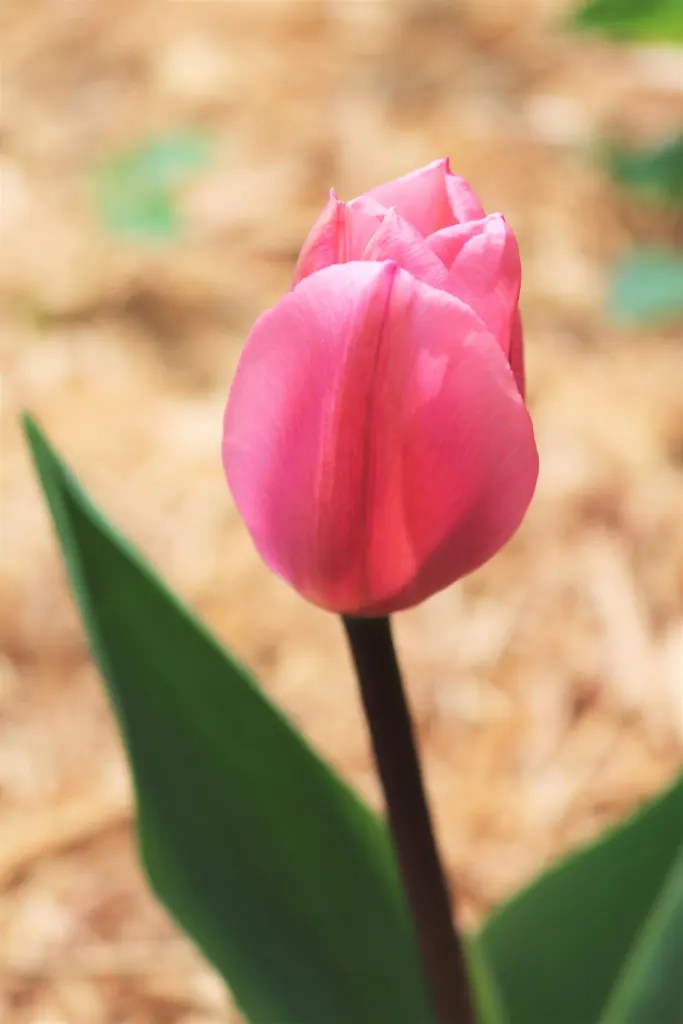
I have always had a thing for early spring flowers. Maybe it’s the grayness of winter; maybe it’s the stark empty branches of the trees. First, I see crocuses and muscari, then daffodils, and then tulips and irises. As these flowers begin to shine their colorful faces for all the world to see, it does something to my spirit. Just like that, life is new and fresh. 

The birds’ chirping seems louder and happier. People are starting to move outdoors. Runners and cyclists are taking advantage of the warming days to exercise on the paths and streets of my city. In every spring thaw, life emerges after a deep winter sleep.  

Gardening with Bulbs

Years ago, I sort of went wild planting bulbs around my yard, choosing everything from fritillaria to muscari to many unique interesting varieties of tulips, daffodils, irises, and lilies. I planned it in such a way that we had bulbs of many kinds constantly blooming from early spring well into summer. 

Some of the advantages of planting bulbs in your landscaping and garden beds include: 

  • They are perennials, so they come back year after year.
  • Spring bulbs are often early to emerge, offering spring color. 
  • Most bulbs are low maintenance.
  • Bulbs multiply on their own, so you can divide them and spread them out in your beds or give them away to friends.
  • Many bulbs are deer and rodent-resistant (amaryllis, daffodil, snowflake, crocus, muscari, iris).
  • Lilies have a long bloom time, and you can stagger the bloom times of the various bulbs by planting a mix that bloom at different times throughout the spring/summer. 

This year already, I have seen muscari, tulips, and daffodils in bloom, and they never cease to enhance the landscape with picturesque vibrance.  


Learn more about creating a garden this year through my virtual home gardening course. You still have time to sign up and get started with planting your garden this spring.

The New Garden Watercolor Art Collection

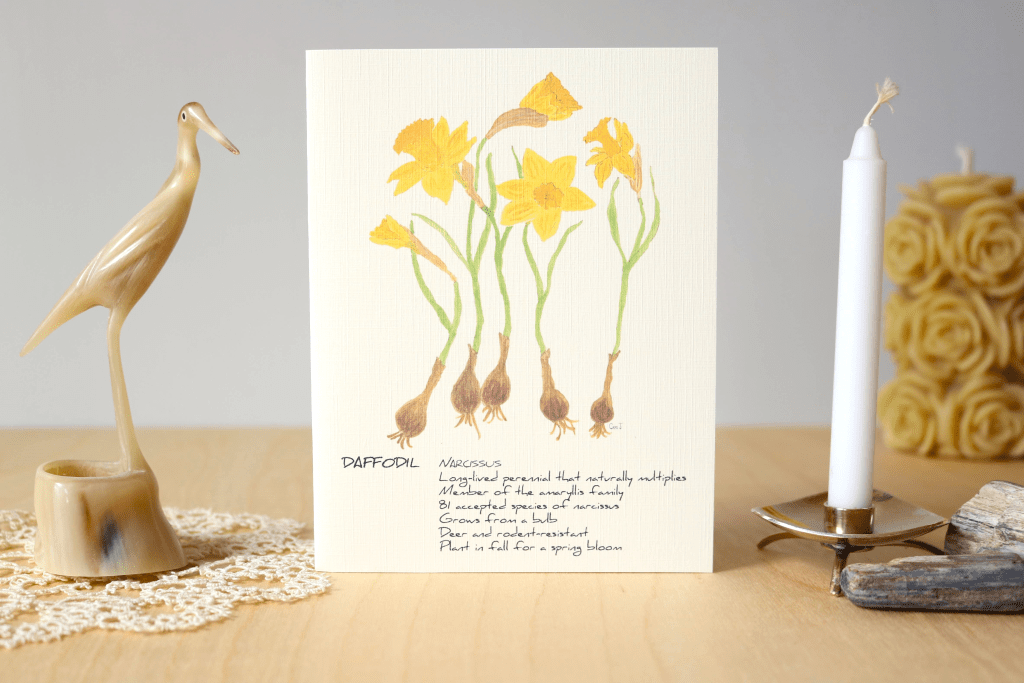
It is with these flowers in mind that I painted the new garden watercolor art bulb series, choosing to include lilies, tulips, iris, and daffodils. I painted them with the bulbs attached, hailing back to the many vintage botanical paintings I’ve enjoyed looking at over the years. 

I’ve created these designs into both cards and art prints. The cards are available individually as well as in packs. I’m also excited to announce that for the first time, I’m offering these four flowers as smaller individual art prints, matted into an 8×10 inch size.