Posted on 1 Comment

The Trout Collection: Fly Fishing and the Waters of My Youth

As a little girl, summertime brought my family to the Absaroka-Beartooth Wilderness of Montana, where the primary pastime was fly fishing. Still today, the memories remain etched in my mind. I would sit on the rocky bank of the river, watching my father work his way upstream. He elegantly whisked his fly rod back and forth, the line barely grazing the top of the fast-flowing water. If he got lucky, an unknowing rainbow trout would mistake his fly for dinner and take a bite.

My dad famously advised anyone learning to fly fish to “pretend you’re holding a whiskey bottle under your arm. Work your rod back and forth while pretending to hold this bottle.” Now if you knew my father, you’d know him as a borderline teetotaler, not wont to indulge in the beverage. Thus he probably never actually owned said whiskey bottle, making his advice all the more humorous.

Golden Trout

Fly fishing stories and lore intertwined into the fabric of my upbringing. I remember hearing of a handful of high mountain lakes, accessible only by off-trail hiking, that were full of large golden trout. These elusive beauties were always deemed to be the ultimate capstone of trout. As you probably can imagine, these trout remained unreachable and thus safe from our fishing rods simply because we could never get our heads around bushwhacking over mountains to reach them.

Yellowstone Cutthroat Trout

Just a tad closer to our flies and tippets were the yellowstone cutthroat trout. This beautiful trout is distinctive for the bright pink splash of color around its gills and down along its sides. Even though they are considered native to the Yellowstone Park watershed, they historically and naturally migrated across the continental divide from the Pacific drainage into the Atlantic drainage, specifically the Yellowstone Park area.

Only very occasionally has a cutthroat been caught by a member of my family. When we stumble upon these beauties, we immediately release them back into the waters from which they came. Since we’re usually fishing in Montana rivers or streams, per that state’s regulations, we can’t keep them anyway. With such careful management as is happening in the states whether they’re found, these gorgeous fish will continue to flourish and multiply.

Arctic Grayling

One of the most captivating trout designs I’ve painted has to be the arctic grayling. Their too-big-for-their-body dorsal fin gives them a comical air. Then their thin stripe of pink along the edge of the fin is the perfect finishing touch, not unlike a hint of lipstick elevating your look from “everyday” to “evening wear”. Their little splashes of pink and random black dots remind me of a toddler playing with forbidden make-up.

The arctic grayling, while relatively common in Alaska, is quite scarce in the lower 48 states, found only in a handful of high mountain lakes in Montana. Because of this, I’m sad to say I’ve never seen one of these in person.

Rainbow Trout

Ah, the rainbow trout! Possibly the most caught and most talked about type of trout in my fly fishing circle. Every time I see the gorgeous rainbow stripes running down the sides of these trout, I remember again how special these fish are. This beauty graces our eyes for only a few minutes, as I run with the catch-and-release type of fishermen. Thus, these beauties always quickly return back to the waters from whence they came. However short and sweet our encounters, they never fail to delight.

Brook Trout
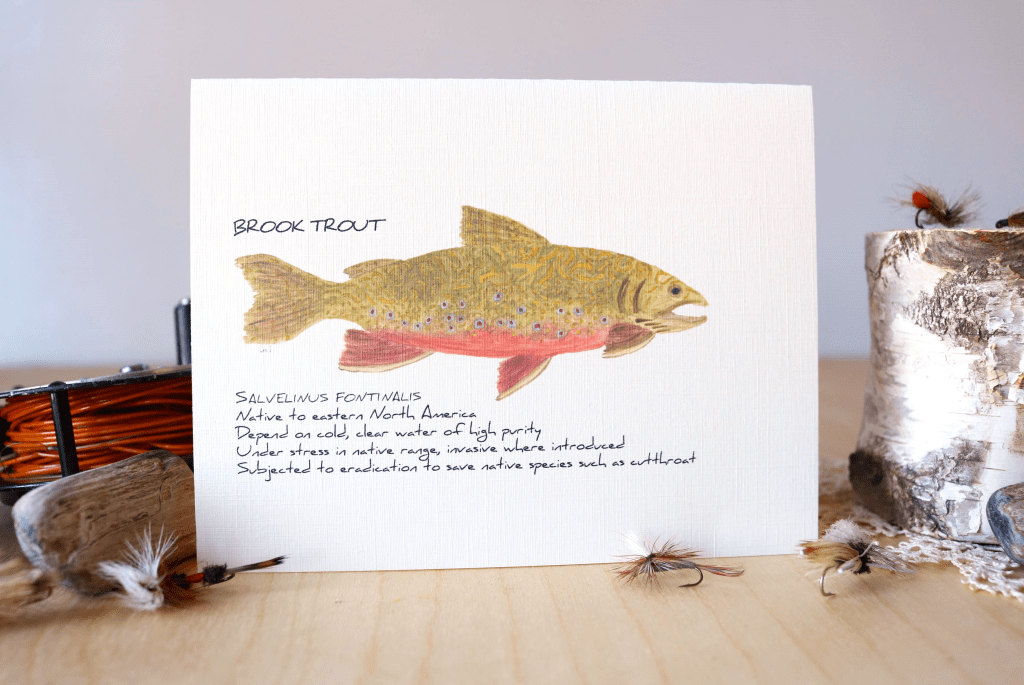
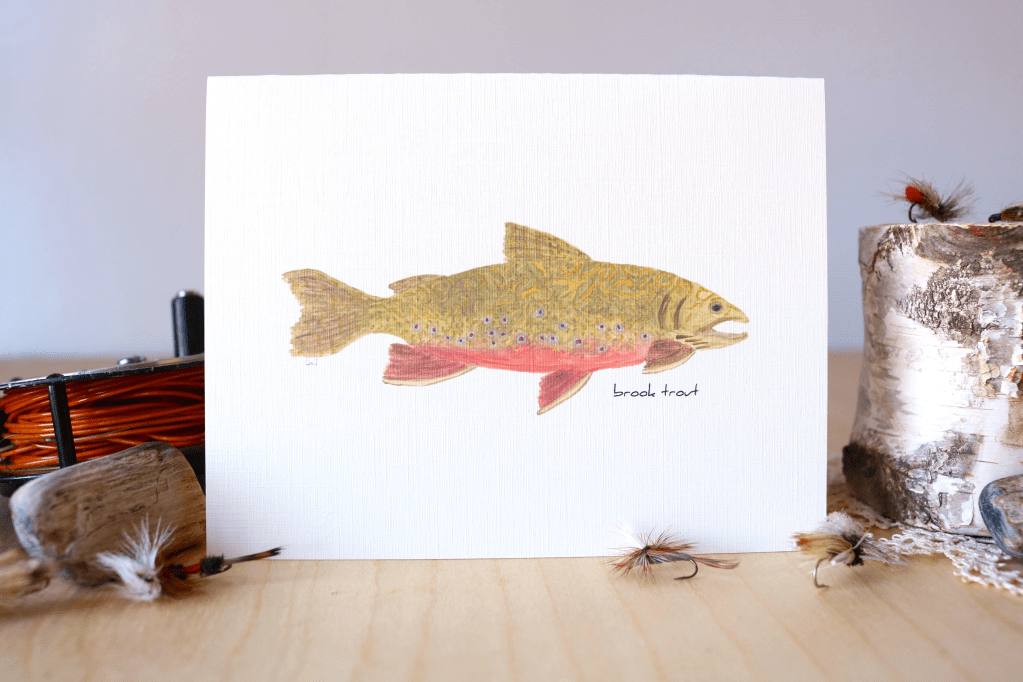
It would seem that brook trout have a bit of an identity crisis. If you live in the eastern United States, where they are under stress, you adore this fish. However, those of us in the mountainous western states don’t have quite so much appreciation. That’s because the brook trout’s ability to flourish is causing populations of native trout to decrease. No matter your level of affection, you can’t help but admit they sport a captivating pattern of yellow and red splotches on their sides. Their squiggly spots made them quite enjoyable for me to paint.

Brown Trout

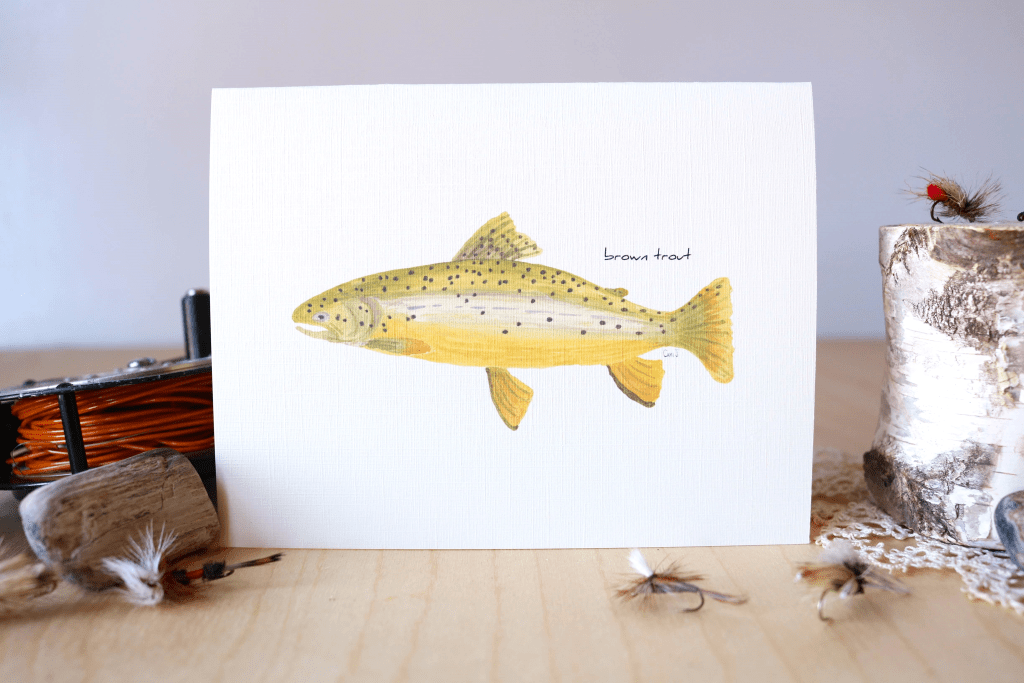
Finally the brown trout, the most spotted of all the trout I painted. I love the coloring of this beauty, with its buttery tan lower abdomen that morphs into brown higher up on the body. Brown trout originated in Europe and were transplanted to the United States in the 1880s. These behemoths run an average length of 12 to 20 inches. Although they can be found in tributaries, they prefer to hang out in bigger waters. They are wily and can be elusive, making them “the one to catch” for many anglers.

The Trout Art Collection
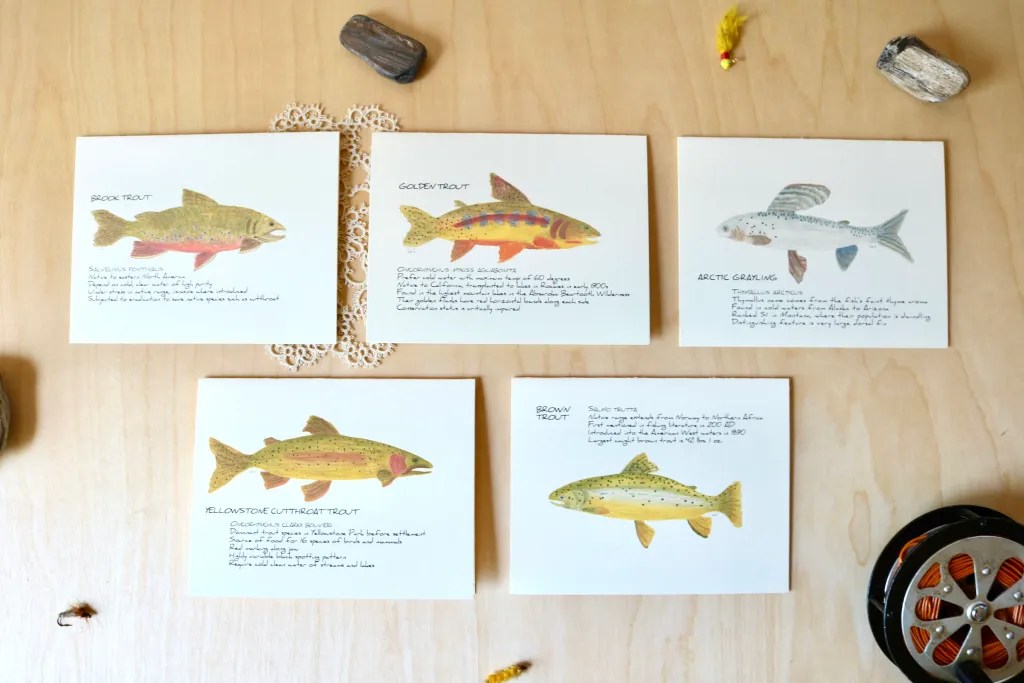
It was pure joy to paint this trout series. Not only do the trout themselves hold a sacred place in heart, but their habitats do as well. Some of my favorite places in the world are the clear waters of the rivers and lakes they call home. The sound of the rushing stream, the smell of lodgepole pine, the flicker of a trout flipping its tail fin above the water during the evening rise…This is where my soul lingered as I painted these beauties. And like a mantra echoing in the recesses of my soul, I heard the voice of my father saying, “Now don’t drop that whiskey bottle!”

Posted on Leave a comment

Summer Flower Cards: About the New Art Collection

Every summer growing up, my family would pack into the car and travel across Minnesota and North Dakota. We’d end up just into the eastern slice of Montana at my grandparents’ ranch. As we drove west, we couldn’t help but notice the countryside getting more and more arid. As we drove past the stunning North Dakota badlands, the multicolored lines in the rock formations jumped out at us in their stark beauty. As we drove, fields of sunflowers and corn turned into rolling hills with rock outcroppings, and fields of wheat transformed into cattle pastures.

Petunia

My grandparents’ ranch was located on a great, open prairie. Rolling fields of wheat, barley, and hay greeted us as we drove down the gravel road leading to the homestead. Upon turning into their driveway, however, our eyes turned to another scene. Billowing beds of brightly colored petunias circled the white stucco house. My grandmother, always one to turn a challenge into something of beauty, had found one of the few flowers that thrives in hot sunny spaces. Give petunias some soil, water, and sun, and you’ll have a colorful profusion of flowers all summer long.

On the hot, dry expanse of northeastern Montana, she created and tended a garden so lovely that it welcomed visitors into her space. The desolate nature of the location was lost in the colorful floral greeting.

Zinnia

In recent years, I have followed in my grandmother’s footsteps by planting an inordinate number of flowers in my vegetable garden. Planting flowers not only helps out the pollinator insects, but it also allows me to share flowers far and wide. After all, flowers always seem to lift our spirits and brighten the day of everyone who gets to enjoy them.

The flowers I leaned into were zinnias. I purchased them in many colors and sizes and proceeded to plant them in every nook and cranny I could find, and they did not disappoint. They flowered, and flowered, and flowered some more from late June until frost finally took them in October. Zinnias will always hold a special place in my heart because of their uniquely colorful hues and their ability to bring life to a kitchen table.

Nasturtium

I’ve had trouble deciding who loves nasturtium more: me or the robins. Promptly after I plant my nasturtium seeds, the robins descend, feverishly digging around in my planters, searching for the seeds to eat for dinner. On the off chance that one of my seeds evades their notice long enough to become a flowering plant, nasturtium tend to bloom with abandon.
All parts of the nasturtium plant are edible. The flowers and leaves appear as often in my salads as they do in my bouquets. Then, the seeds produced after the flowers are done blooming taste delicious when pickled with other garden vegetables.

Nasturtium plants’ brightly colored flowers, quirky twisted stems, and circular leaves are an essential addition to my planters. Together with basil, I tuck them in and around my tomato plants, using companion planting to my advantage. The flowers cascade down from the pots, acting as both an attractor for pollinating insects and a deterrent to the destructive ones that might want to do harm.

Yarrow

In xeriscape landscaping, the goal is to choose plants that thrive on neglect. In this area, yarrow is a frontrunner. Yarrow prefers hot, dry, sunny conditions, so it is an obvious choice for water-challenged regions of the country. Yarrow is also an excellent pollinator flower. On any summer day, you’ll find it covered with bees and other pollinating insects. Yarrow comes in colors ranging from white and yellow to pink, red, and burgundy, so it can compliment many types of flower beds.

The downside of yarrow is that it has a tendency to multiply, so regular weeding of the baby plants is necessary if you want them to stay in the boundaries of your landscaping. When you’re weeding yarrow, dig down at least a foot to get out the whole rhizome. Any broken off piece of the rhizome can become a new plant.

In addition, remove the flowers as soon as they are fading to control the spread through seeds. A single plant can produce thousands of seeds, which can remain viable in the ground for up to nine years. While there are many great reasons to grow yarrow, don’t plant it unless you can keep it in check.

Rose

Roses are in full bloom, the billowy bushes covered in red or pink. Their aroma captivates me as I walk through the neighborhoods. I come upon an old wooden arch covered in the climbing pink variety. These look to have been growing here for years, their tangly branches reaching up and over the arch, forming what would be the perfect backdrop for a garden wedding.

I think of my mother-in-law, who was a gardener and grew the old fashioned hybrid roses. These varieties possessed a fragrance that is challenging to find in current varieties. What I would give to have some of her rose bushes in my garden.

Garden roses elicit memories of times past. A small bouquet of roses sitting in a vase next to my cup of coffee: This was a common scene when visiting my mom, aunts, or mother-in-law. Fresh roses, hot coffee, a spot of something sweet, and meaningful conversation make for fond remembrances.

Pansy

Pansies tend to be the first flower I purchase in the early spring. As the tiresome gray winter months transition to spring, the weather slowly warms, and the days lengthen. 

As the spring dawns, the purples, oranges, yellows, and pinks of pansies are the perfect antidote. The faces of the flowers almost look as if they’re smiling, and their colors no doubt brighten anyone’s day. 

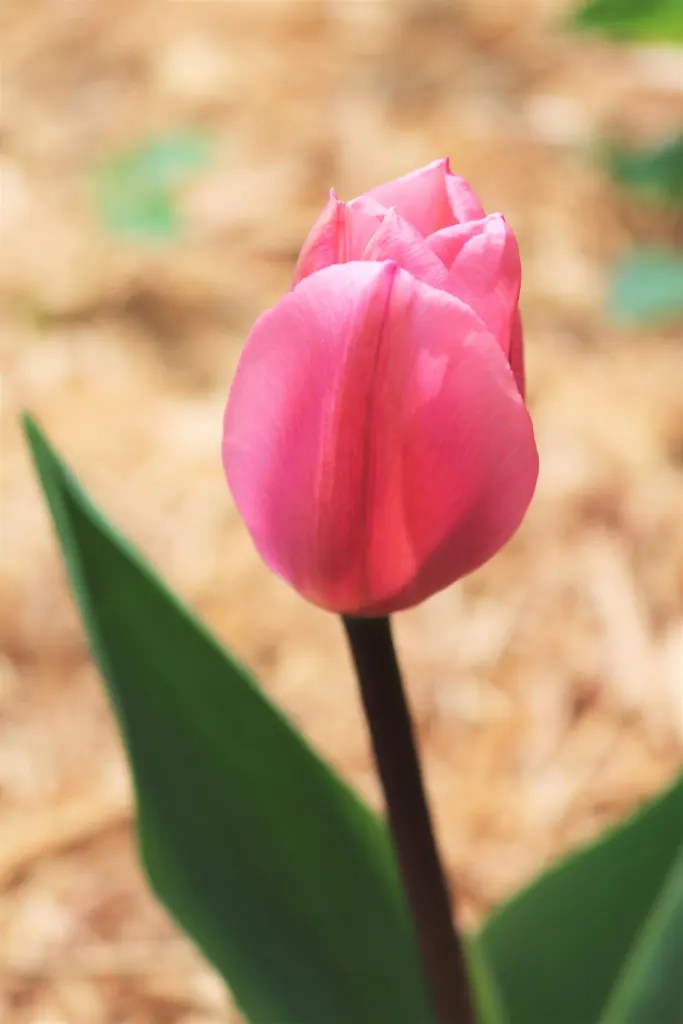
As soon as the nights warm, a planter full of pansies settles in by my front door. As neighbors pass by, the pansies tell of times to come, affirming that more color is on the way. Green grass, yellow daffodils, red tulips, and purple iris will be here soon. The pansies are just the doormen to the gateway of spring.

Sweet Pea

Sweet peas are the iconic spring vining flower that climb up trellises and over garden gates, spilling over the tops of large planters. Their intoxicatingly sweet scent brings me back to the cottage gardens of our grandmothers. Long treasured for its sweet fragrance, this flowering legume has graced the walls of gardens since the 17th century. 

Sweet peas are easy to grow, and they quickly add color to any garden space. Being a legume, they enrich the soil because of their nitrogen-fixing quality. These early flowers will also bring pollinating insects into your yard, a much desired trait. 

One of the best ways to plant sweet peas is to intermingle them with other vining plants, such as pole beans, around the base of a tall bamboo tripod. Place this in the center of your garden, and the birds and insects will be sure to visit. 

The Summer Flower Cards

Flowers abound, filling my garden and my vases. The gray of winter seems more bearable contrasted against the vibrance of flowers present in the summer months. I’m soaking up the beauty while it lasts.

These flowers have inspired the creation of my latest watercolor art and greeting card designs, the summer flower collection. Composed of designs of eight distinctive summer blooms, I hope this collection warms your heart and the hearts of those to whom you send them.

Posted on Leave a comment

The Charm of Garden Bulbs: New Watercolor Art

It seems like spring has had to work overtime to get winter to exit the scene this year. But finally, the rains are here, the grass is greening up, and the trees are beginning to bud. More than anything, the lovely spring bulbs are starting to bloom. In this vein, I’d like to introduce you to my new collection of garden watercolor art, the flowering bulbs.

Spring Bulbs

I have always had a thing for early spring flowers. Maybe it’s the grayness of winter; maybe it’s the stark empty branches of the trees. First, I see crocuses and muscari, then daffodils, and then tulips and irises. As these flowers begin to shine their colorful faces for all the world to see, it does something to my spirit. Just like that, life is new and fresh. 

The birds’ chirping seems louder and happier. People are starting to move outdoors. Runners and cyclists are taking advantage of the warming days to exercise on the paths and streets of my city. In every spring thaw, life emerges after a deep winter sleep.  

Gardening with Bulbs

Years ago, I sort of went wild planting bulbs around my yard, choosing everything from fritillaria to muscari to many unique interesting varieties of tulips, daffodils, irises, and lilies. I planned it in such a way that we had bulbs of many kinds constantly blooming from early spring well into summer. 

Some of the advantages of planting bulbs in your landscaping and garden beds include: 

  • They are perennials, so they come back year after year.
  • Spring bulbs are often early to emerge, offering spring color. 
  • Most bulbs are low maintenance.
  • Bulbs multiply on their own, so you can divide them and spread them out in your beds or give them away to friends.
  • Many bulbs are deer and rodent-resistant (amaryllis, daffodil, snowflake, crocus, muscari, iris).
  • Lilies have a long bloom time, and you can stagger the bloom times of the various bulbs by planting a mix that bloom at different times throughout the spring/summer. 

This year already, I have seen muscari, tulips, and daffodils in bloom, and they never cease to enhance the landscape with picturesque vibrance.  


Learn more about creating a garden this year through my virtual home gardening course. You still have time to sign up and get started with planting your garden this spring.

The New Garden Watercolor Art Collection

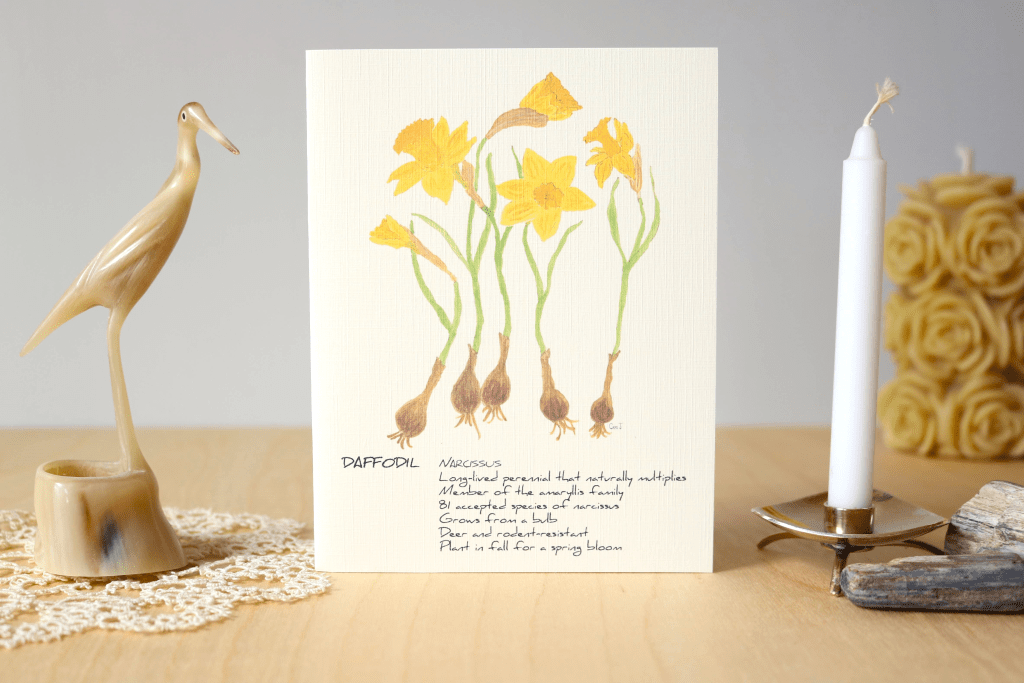
It is with these flowers in mind that I painted the new garden watercolor art bulb series, choosing to include lilies, tulips, iris, and daffodils. I painted them with the bulbs attached, hailing back to the many vintage botanical paintings I’ve enjoyed looking at over the years. 

I’ve created these designs into both cards and art prints. The cards are available individually as well as in packs. I’m also excited to announce that for the first time, I’m offering these four flowers as smaller individual art prints, matted into an 8×10 inch size.

Posted on Leave a comment

Cooking with a Hint of Sweetness: Gourmet Fruit Art Collection

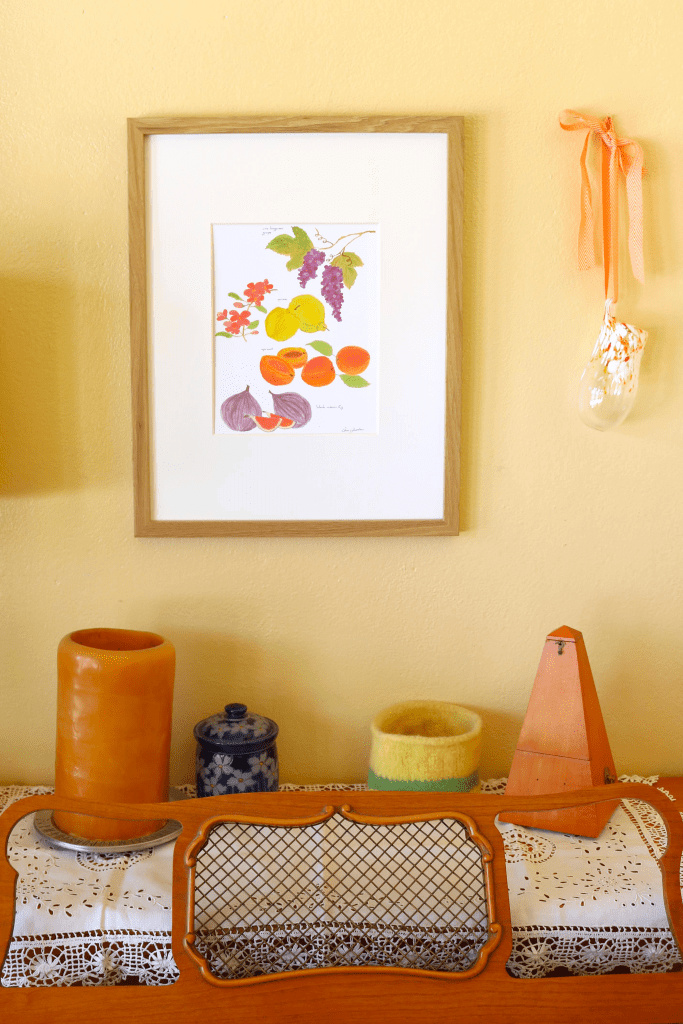
Figs, apricots, quince, persimmons, and grapes; these gourmet fruit varieties stem from such unique lineages but possess similar captivating applications in the kitchen.

These are a collection of gourmet fruit ingredients I use time and again in entertaining because they transform the level of a dish. Their panache is unparalleled. I use them in appetizers as a sweet counter to savory meats and cheeses. They’re delightful as a part of the main course in braises, tagines, or roasts.

Then finally, they act as a sweet capstone in tarts, galettes, cakes, or toppings. These fruits have the power to change whatever you are serving from ordinary to special. They lend an earthy classiness to your meal.

Apricot

When I was a little girl, my mom would regularly make apricot jam. I grew to adore this jam on a piece of freshly toasted English muffin. I still taste the apricot flavor in my memories. Now, as an adult, I return to apricots as often as I can. They often find their way into braises, such as a chicken, white wine, and wild mushroom braise atop potatoes or rice. Apricots perfectly balance the savory hues and help create well-developed sauce. 

Quince

Likewise, quinces have played a role in my culinary journey. I was first introduced to this fruit when I lived in the French province of Alsace. The mild climate of eastern France is perfect for quince trees to thrive. Harvested in the late fall, they turn into pastes and butters, and they’re baked into cakes, tarts, and galettes. Quince also adds a refreshing sweetness when sliced and roasted with lamb in a tagine. 

As an added bonus, if you happen to live where quince trees grow, you get the privilege of enjoying their spring blossoms, which are the most electric color of pink coral possible. I swoon at the far-fetched idea of having a quince tree in my yard.

Fig

Figs seem like an almost mystical fruit to me. I’m always experimenting with interesting ways to use them. My most recent find was a recipe in Dorie Greenspan’s Around My French Table cookbook: 

I take fresh, homemade pasta (trust me, it’s worth it to make the pasta for this recipe from scratch), and toss it with browned butter, figs, and pistachios, among other things. What stands out to me in this recipe is the crunchy je ne sais quoi nature of those tiny fig seeds. It’s worth buying the cookbook just for this recipe! 

As with quinces and apricots, making a fig paste, or a very concentrated jam, to serve with cheeses and meats proves a sweet counter to the more savory hors d’oeuvres items. These intensely flavored fig pastes are also amazing with a slice of buttery pound cake, in the filling of a crepe along with some Brie, or melted into a marinade for grilled meat; the list could go on and on. Pretty soon I’ll be putting it on my toast. Wait a minute, that’s actually a great idea…

Persimmon

Persimmons meet and exceed the same thresholds as the other fruits in this collection. They can have both sweet and savory applications. When included in your menu, they elevate the playing field. The color and shape of persimmons are almost cartoonist. They make me smile. As with many fruits, the wild ones have the most interesting flavor. When cooked into pudding and butters, persimmons’ bright flavor adds a complicated sweetness that’s hard to pin down but delightful to the palate.

Red Grape

I have left my oldest friend for last, the red grape. For most of us, grapes have woven their way in and out of our menus our whole lives. They’re an easy and nutritious fruit that your mom packed in your lunchbox during elementary school. For me grapes showed up in their wild form first. Wild grapes grow all over Minnesota. They spread by the birds, so they can be found along many public fencelines or climbing up poles or trees. These aren’t the sweet grapes from the grocery store. Rather they are tiny explosions of richness in your mouth. They really shine when made into jam, juices, or pastes, which I grew up eating. The best grocery store jam pales in comparison. 

Moving into adulthood, the first savory use for grapes was a chicken salad recipe from Lukins and Rosso’s original Silver Palate cookbook. Here red grapes serve as a delightful surprise up against the slivers of chicken, celery, and onion. A chicken, grape, and white wine braise over curried rice was my next iteration.

The grape I chose to paint for this newest collection caught my fancy because of its charming story. A vine was discovered winding its way up and around an old oak tree on Longanesi’s property in the Emilia Romagna region of Italy. They took cuttings and planted them in their vineyard. The grapes grew and thrived, and today roughly 500 acres of this grape variety is grown. Many Uva Longanesi varietal wines are now made from this grape.   

The Gourmet Fruit Art Collection

I painted the gourmet fruit varieties in this culinary art series because each lies close to my heart with its connection to great cooking. They are delicious in countless meals, and with them you can create complexly flavored food year round.

This art collection honors just a few of the sweet and beautiful ingredients in our repertoire. It’s my wish that you enjoy these fruits on greeting cards and fine art prints as much as you would enjoy them in your cooking. 

Posted on Leave a comment

The Story Behind the Mountain Wildflower Collection

Wildflowers of My Life

Mountain wildflowers have been part of the formative memories in my life. Not only did they proliferate on the dry mountainside of our Colorado home, but they have been ubiquitous on our mountain hikes and backpacking trips. Whether it was Montana, Wyoming, Colorado, or New Mexico, the native flowers that have been a part of my life are both tenacious and beautiful.

The Blue Hue of Lupines

Wild lupines transport me back to Montana, when in the early summer, cerulean violet lupine flowers begin to cover the mountain valleys. They form a luscious carpet. The meadows surrounding my family’s cabins take on a blue hue as all these iconic flowers come into bloom. 

Many years ago, my dear aunt Joyce even named her cabin after them, Lupine Lodge. When I think back on lupines, I remember all the summers spent in Montana from the time I was a young girl to now. 

The Bitter Chokecherries of My Youth

It is somewhat of an oxymoron to pick a fruit as bitter and poisonous as the chokecherry only to cook it into something as delectable as chokecherry jam.

I first encountered chokecherries in the days of my foolish youth, when my parents, siblings, and I would stop along the road and pick the Montana berries. We would fill ice cream buckets and then haul them back to the log cabin nestled in the backwoods of the Absaroka Beartooth mountain range. There we would begin the long process of transforming these bitter berries into luscious jams and syrups. 

Backpacking with Thimbleberries 

Likewise, thimbleberries have been part of many a mountain hike. The day typically goes like this: we’re walking along the trail, maybe having just crossed a hot sunny rockslide. We progress into a shaded area, and there’s a small mountain stream that runs next to the path. 

Billowing among the undergrowth are thimbleberry bushes. Of course, we stop, nibble on some for a few minutes, take a big swig of water from our bottles, then start moving again. This scenario could repeat itself over and over depending on how much of a hurry we’re in. 

Thimbleberries to me represent a refreshing pause for a fatigued body. They are a fresh respite to a hot day and a touch of nourishment to our increasingly hungry stomachs. 

Beauty on the Edge of a Mountain

Our house sat just back from the edge of the steep Rocky Mountain foothills of Colorado. The hills were stony with clusters of scrub oak and prairie grasses. Cacti poked their thorny faces out from the rocky soil, just asking you to step on them. 

As I made my way down to the valley below, I couldn’t help but marvel at how so many varieties of wildflowers seemingly thrived in such harsh and adverse conditions. The soil was very poor, and the hillside faced southwest, so it got a beating from the afternoon sun. What moisture did come either evaporated off or ran down the incline. 

Indian Paintbrush

In this unwelcoming xeriscape, wildflowers dotted the hillside, cheerfully beaming their colorful faces. Darling little burgundy Mexican hats, Indian paintbrush, ruby colored penstemon, yellow potentilla, and rudbeckia scattered across the dry slope. 

These wild beauties have adapted to the conditions of their environment. Many of them have long roots that drill down to the moisture and nutrients that are deep below the surface. Indian paintbrush thrive despite the conditions. Being a hemiparasite, this flower piggybacks off the surrounding grasses. They attach themselves to the roots of nearby grasses, which are already burrowed deep in the soil.  

A Flower’s Inspiration 

Is the Indian paintbrush’s stamina and unexpected beauty a metaphor for life? When one fights hard for something, the result becomes particularly striking. Over time, these flowers have figured out not only how to grow, but they’ve learned how to flourish in adverse situations. In fact, for these flowers, their environment isn’t adverse; it’s the norm.

Joy from Wildflowers and Berries

I find wildflowers to be inspiring. When I am huffing and puffing up a mountainside, I look over the steep slopes or high mountain meadows, and I see spectacular beauty in the wildest environments. How can I not breathe easier in their delicate elegance? 

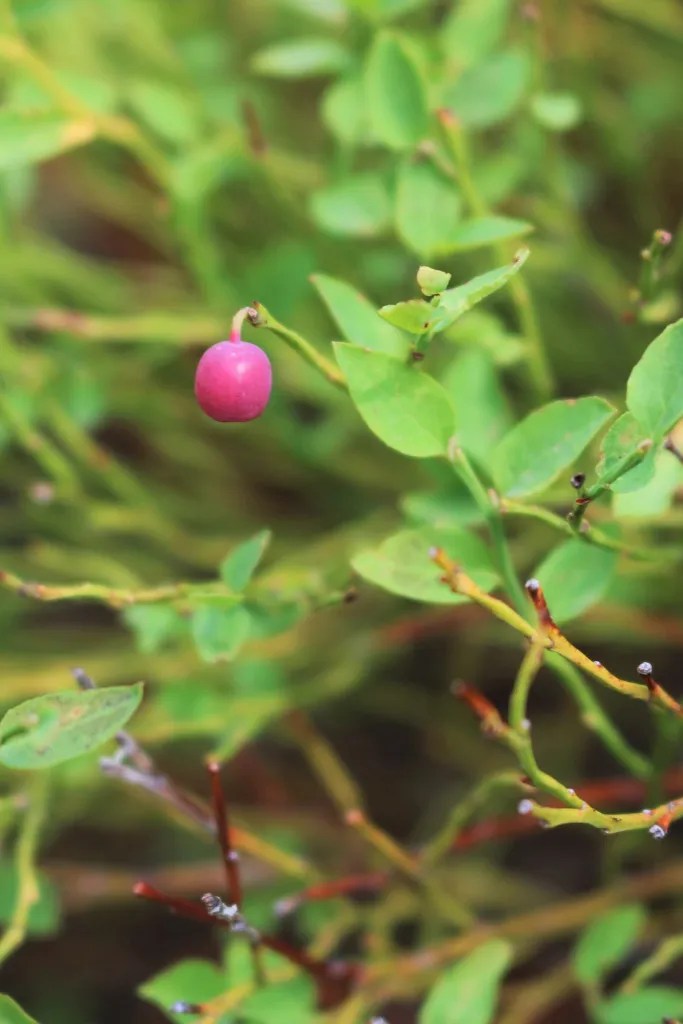
My eyes light up when I see wildflowers in bloom against the stark and vast background they call home. Then the wild berries come as a rare gift in the wilderness when tasted on the edge of a remote trail.

As I sit here, painting within the bleak January landscape, I wait for next summer. I hope my family’s trips into the mountains coincide with the bloom times of our favorite flowers or the ripening of our favorite mountain fruits. 

Until then I draw them, and I paint them, and I offer them for you to enjoy on art prints and cards as well. This is so you can dream along with me. We can wait together for warmer days, for summer mountain wildflowers, for buckets full of chokecherries, for bushes alongside high mountain trails that offer up what little they have so that the fleeting visitor might be refreshed.